

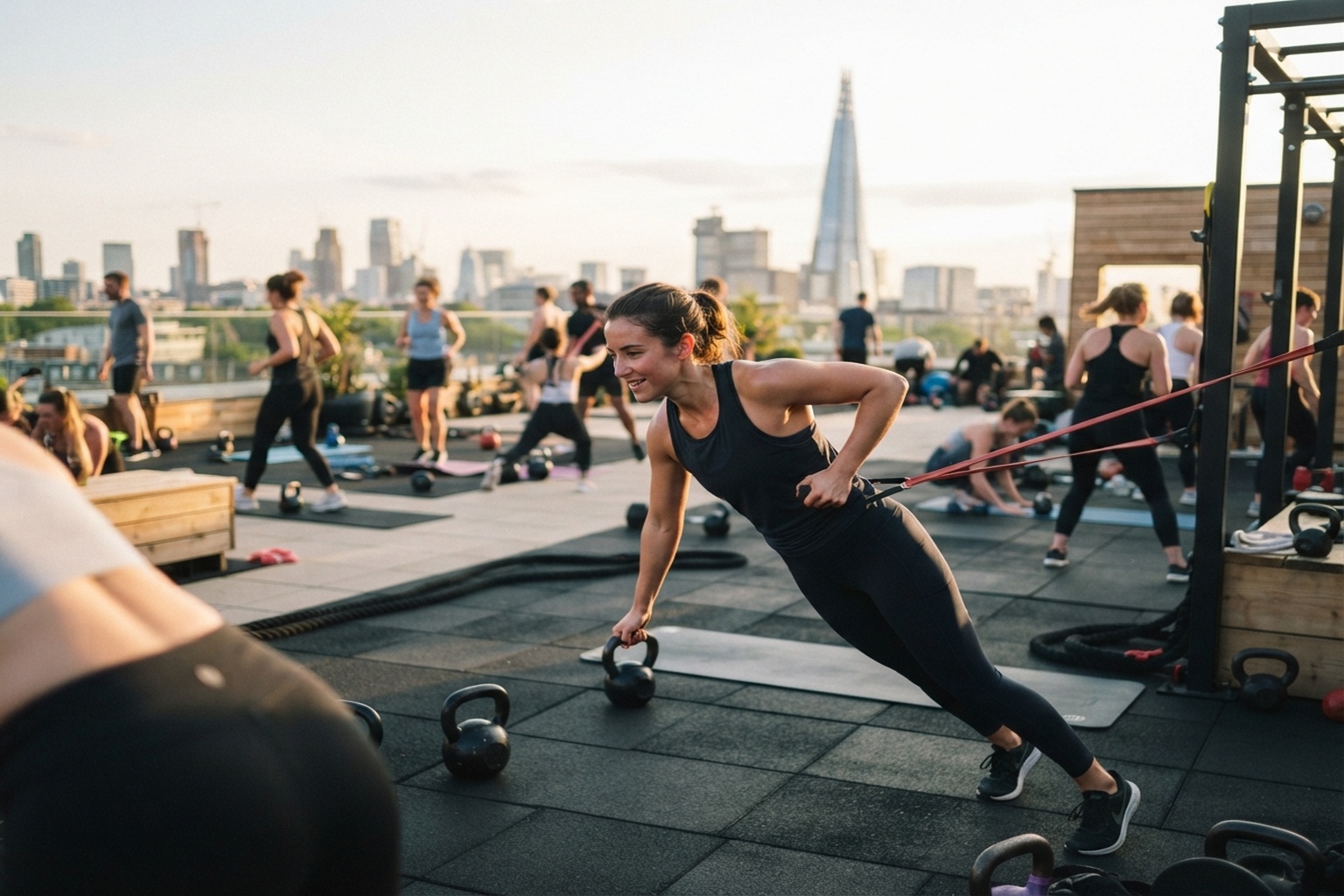
Every new year, a new wave of workouts, gadgets, and “must-try” routines shows up in your feed. Most of them fade by March. That’s exactly why the Latest Fitness Trends 2026 are worth a closer look before you spend money or time on them. This year’s shifts aren’t about flashy transformations. They’re about training smarter, recovering better, and using data to make decisions instead of guessing. Some of it is genuinely useful. Some of it is just good marketing wearing workout clothes.
This guide breaks down the new workout trends 2026 that have real evidence behind them, the ones that are mostly hype, and how to use each one safely if you decide to try it — whether you’re new to exercise or have been training for years.
Why Fitness Trends 2026 Look Different From Previous Years
For most of the last decade, fitness culture chased two things: how fast you could lose weight and how hard a workout could make you feel. That’s changing.
Industry surveys from groups like the American College of Sports Medicine and the National Academy of Sports Medicine point to a common theme this year: people are training for how they function day to day, not just how they look. Longevity, mobility, and staying capable into older age are now driving more workout decisions than aesthetics alone.
Part of this shift comes from the rise of GLP-1 medications for weight loss. As more people use them, trainers are focusing less on burning calories and more on preserving muscle, since medication-driven weight loss can take muscle along with fat if strength training isn’t part of the plan.
The result is a fitness landscape that’s less about extremes and more about consistency, recovery, and long-term health — which, frankly, is a healthier place for the industry to be.
1. Wearable Fitness Trends: Tracking Gets Smarter, Not Just Bigger
Wearable fitness trends have topped industry trend reports for several years running, and 2026 is no exception. Nearly half of U.S. adults now own some kind of fitness tracker or smartwatch, so the bigger story isn’t adoption — it’s what these devices are starting to measure.
Modern wearables go beyond steps and heart rate. Many now track:
- Heart rate variability (HRV)
- Sleep stages and quality
- Recovery scores
- Skin temperature and, in some models, blood pressure trends
What actually works: Using a wearable to spot patterns — like consistently poor sleep before a bad training week — can genuinely help you train smarter. Treating the daily “readiness score” as a rough guide rather than gospel is the healthiest way to use one.
What’s overhyped: Chasing a perfect number every single day. Recovery scores are estimates, not diagnoses. If a device tells you you’re “unrecovered” but you feel fine, trust how your body actually feels over the algorithm.
Beginner tip: You don’t need the most expensive device to benefit. A basic tracker that logs steps, heart rate, and sleep gives you 90% of the useful data. Save the advanced (and expensive) features for later, once you know you’ll actually use them.
2. AI Fitness Trends: A Coach in Your Pocket, Not a Replacement for One
AI fitness trends have moved from novelty to daily use for a lot of gymgoers. AI-driven apps now build workout plans, adjust training load based on wearable data, and give real-time feedback on form using your phone’s camera.
Trainers themselves are increasingly using AI as a behind-the-scenes tool — for programming, scheduling, and communication — rather than seeing it as competition. Most surveyed fitness professionals view it as something that supports their work, not something that replaces the coaching relationship.
What actually works:
- AI-adjusted programming that scales workout intensity based on your sleep and recovery data
- Form-check tools for common lifts like squats and deadlifts, especially useful for beginners training without a coach
- Automated progress tracking that removes the guesswork of “am I actually improving?”
What’s overhyped: Fully automated coaching for complex goals like injury rehab or advanced strength programming. AI is pattern-matching, not medical judgment. If something hurts, an app isn’t the right resource — a physical therapist or qualified coach is.
3. Strength Training Trends 2026: Still the Foundation
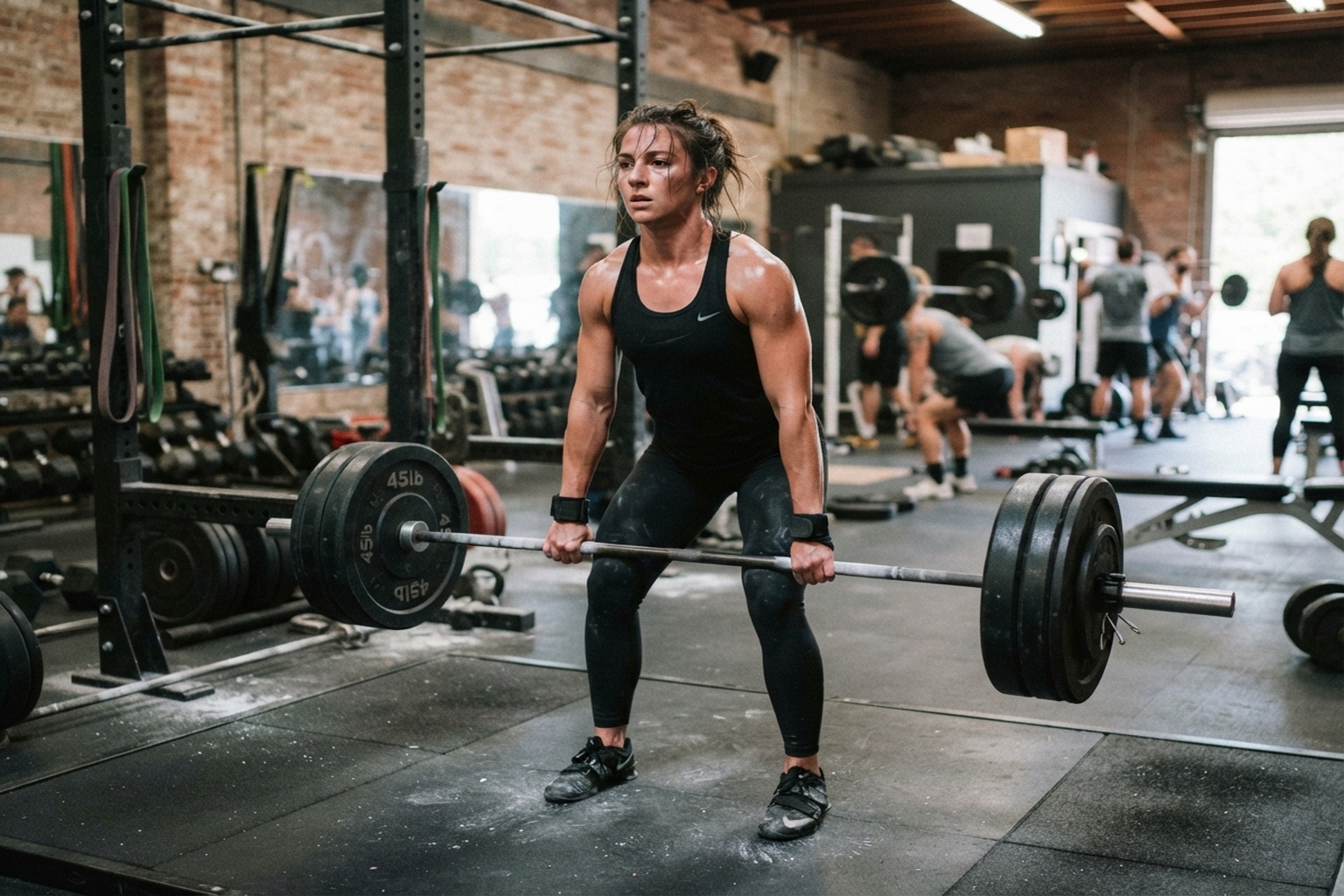
If there’s one thing nearly every 2026 trend report agrees on, it’s this: strength training trends 2026 center on lifting weights being for everyone, not just people chasing muscle size.
Cardio-only routines are increasingly being paired with — or replaced by — resistance training, because building and maintaining muscle:
- Supports metabolic health
- Protects joints and bones as you age
- Helps preserve strength during weight loss, including GLP-1-assisted weight loss
- Improves everyday function, from carrying groceries to getting up off the floor
Strength Training for Beginners
You don’t need a complicated program to get the benefits. A simple, sustainable starting point:
- Train major muscle groups 2–3 times per week
- Focus on compound movements — squats, hinges, pushes, pulls
- Add weight or reps gradually, not all at once
- Rest at least one day between sessions targeting the same muscles
What actually works: Consistent, progressive strength training two to three times a week beats an intense but unsustainable five-day split most people quit after a month.
What’s overhyped: The idea that you need a highly specialized program (or expensive coaching) to see results as a beginner. Basic, well-executed strength training outperforms complexity for most people in their first year or two of training.
4. Short, Purposeful Workouts
Long gym sessions are losing ground to shorter, more structured ones. This is one of the more practical new workout trends 2026 has produced, especially for people balancing work and family life.
A well-programmed 30-minute session — combining strength work with short bursts of conditioning — can build muscle, raise your heart rate, and fit into a lunch break. The key word is structured. A rushed, unplanned 30 minutes isn’t the same as a purposefully designed one.
Beginner example: A 30-minute full-body session might look like:
- 5-minute warm-up (light cardio and mobility)
- 20 minutes of 3–4 strength exercises, done as circuits with minimal rest
- 5-minute cool-down and stretching
5. Hyrox Workouts and the Rise of Hybrid Training
Few trends have grown as quickly as Hyrox workouts. What started as a niche fitness competition has become a global phenomenon, with organizers reporting well over a million participants taking part in events worldwide this year, across more than 30 countries.
Hyrox combines running with functional strength stations — think sled pushes, rowing, lunges, and farmer’s carries — in a structured, race-style format. Its appeal comes from a mix of accessible movements, a built-in community, and a clear way to measure progress against your own past results or other competitors.
What actually works: Hyrox-style training blends cardiovascular fitness and functional strength in a way that translates well to real life. It’s also beginner-friendly in structure, since the movements themselves are simple even if the format is demanding.
What’s overhyped: Jumping straight into full Hyrox-style training without a strength or cardio base. The format is intense, and injuries are more likely if you skip the fundamentals of both running and resistance training first.
Beginner tip: Try a scaled-down version — a few running intervals mixed with two or three functional strength moves — before committing to a full simulated event.
6. Walking Workouts: Simple, Underrated, and Backed by Basics
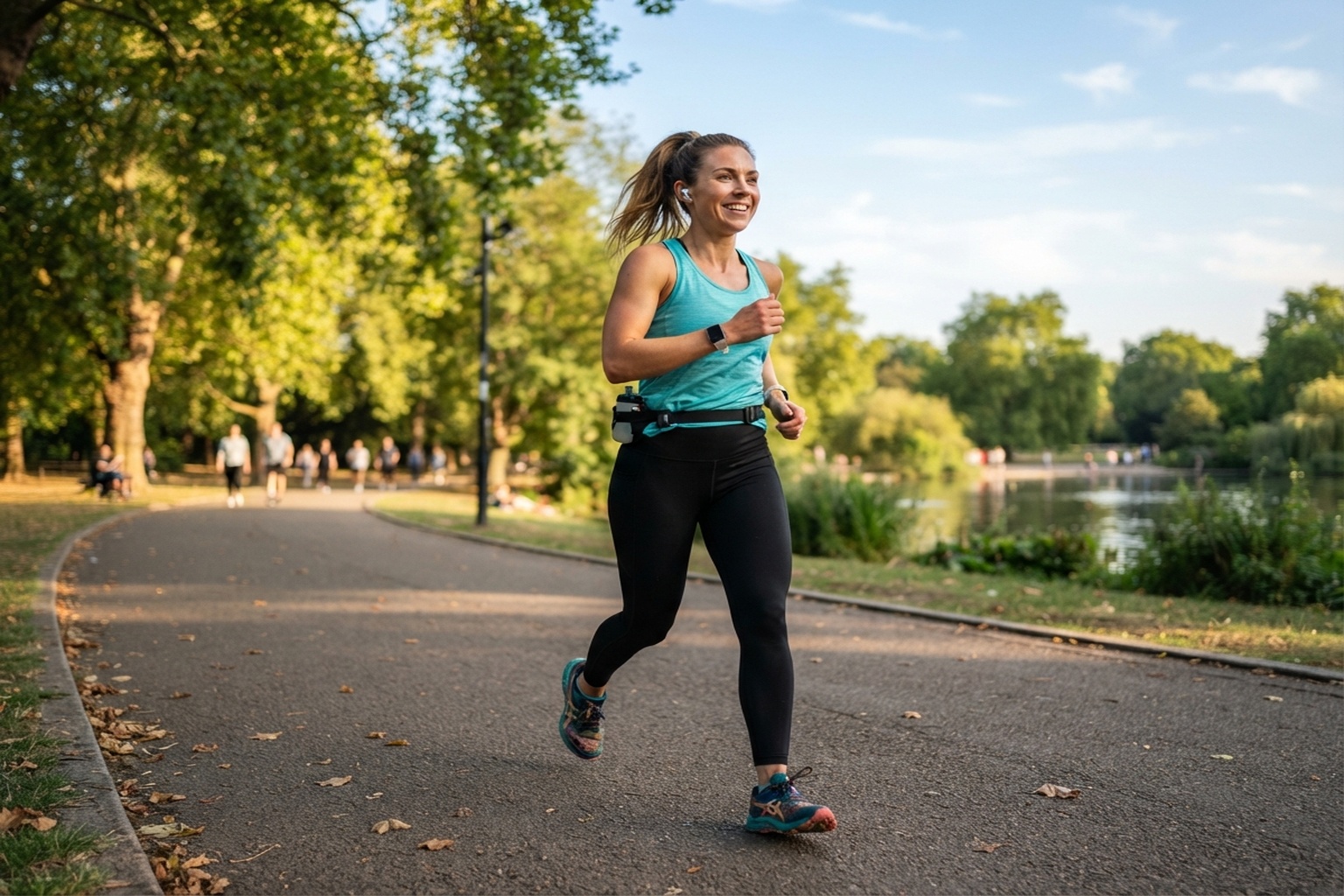
Walking workouts continue gaining traction, and for good reason. It is low-impact, requires no equipment, and is one of the few forms of exercise almost anyone can start immediately, regardless of fitness level.
What’s new in 2026 isn’t walking itself — it’s how people are structuring it:
- Incline walking: Adding a treadmill incline or hilly outdoor route to increase intensity without adding impact
- Interval walking: Alternating faster and slower paces to add a cardiovascular challenge
- Weighted walking (rucking): Carrying a weighted backpack to add resistance to a low-impact activity
What actually works: Walking is genuinely effective for cardiovascular health, daily movement, and recovery days between harder training sessions. It’s also one of the easiest habits to stick with long-term, which matters more than intensity for most people.
What’s overhyped: Viral walking “challenges” promising dramatic results in a set number of days. Walking is valuable as a consistent habit, not a quick fix.
7. Fitness Recovery Trends: Rest Becomes Part of the Plan
Fitness recovery trends have moved from an afterthought to a core part of many training programs. Gyms are adding recovery rooms with saunas, cold plunges, and percussive massage tools, while more everyday exercisers are prioritizing sleep as a training variable, not just a lifestyle habit.
The logic is straightforward: muscles repair and adapt during rest, not during the workout itself. Skipping recovery doesn’t make you fitter faster — it usually just increases the risk of burnout or injury.
What actually works:
- Prioritizing 7–9 hours of sleep, especially around demanding training blocks
- Scheduling at least one full rest day per week
- Active recovery — light walking or stretching — on days off from intense training
What’s overhyped: Expensive recovery gadgets marketed as essential. Cold plunges and infrared saunas can feel good and may help some people recover, but they’re not a substitute for sleep, hydration, and simply not overtraining in the first place.
8. Fitness Technology Trends Beyond Wearables
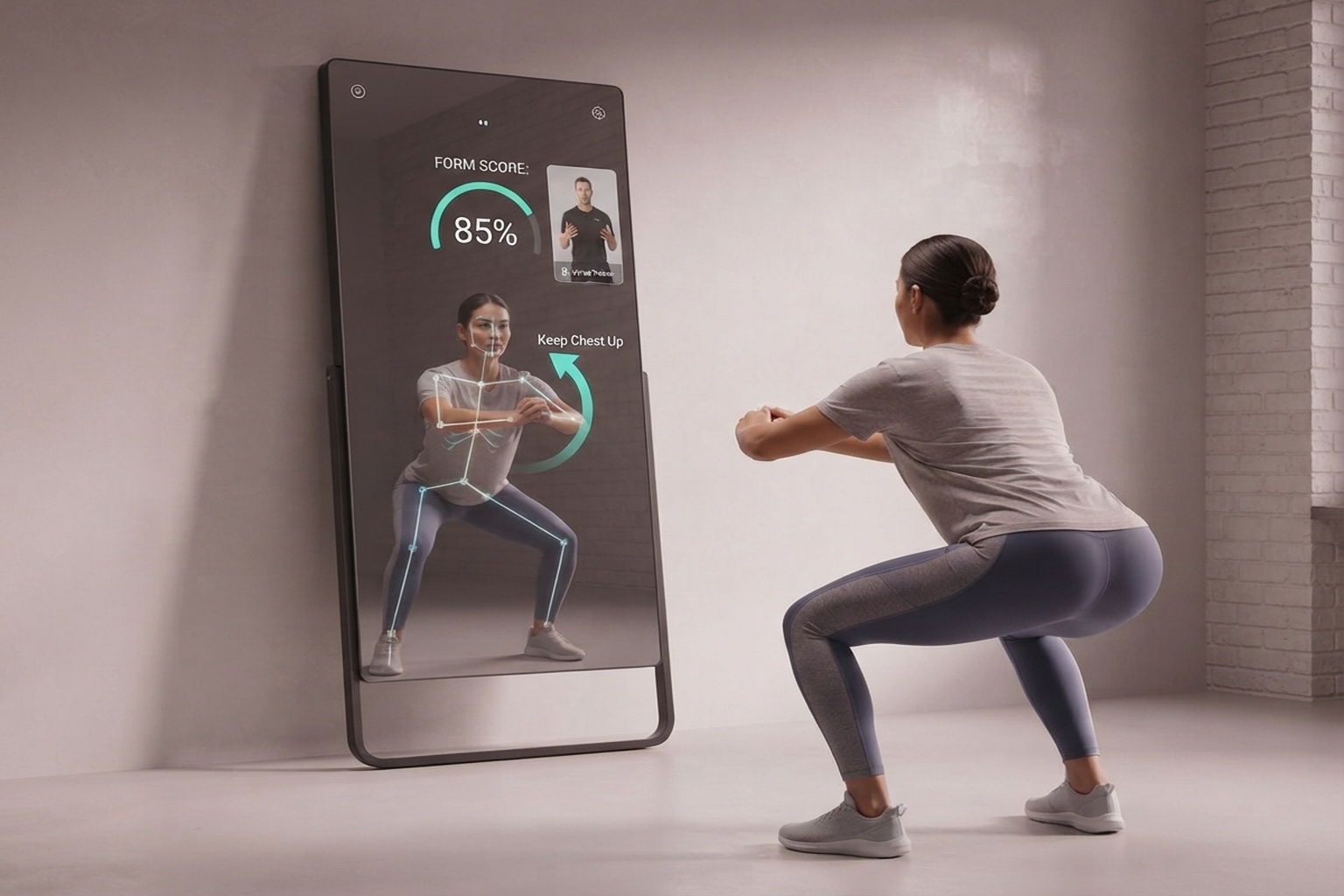
Fitness technology trends in 2026 extend past your wrist. Connected gym equipment, apps that sync your sleep, nutrition, and workout data into one dashboard, and cameras that analyze your form in real time are becoming more common in both gyms and home setups.
What actually works: Consolidated data — seeing sleep, training, and nutrition in one place — makes it easier to spot what’s actually affecting your progress, rather than guessing.
What’s overhyped: Believing more data automatically means better results. Data only helps if you act on it. A dashboard full of numbers you never review isn’t doing anything for your fitness.
How to Choose Which 2026 Fitness Trends Are Right for You
Not every trend fits every goal. A quick way to filter them:
| Your Goal | Trends Worth Trying |
|---|---|
| Build strength and muscle | Strength training, short structured workouts |
| Improve heart health with low impact | Walking workouts, incline/interval walking |
| Want variety and community | Hyrox workouts, group hybrid training |
| Track and improve recovery | Wearables, sleep tracking, fitness recovery trends |
| Need help staying consistent | AI fitness apps, connected fitness technology |
Final Thoughts
The Latest Fitness Trends 2026 aren’t about chasing the newest gadget or the most extreme workout. The trends with real staying power — strength training, structured short workouts, walking, and smarter recovery — are also the ones backed by the most consistent evidence.
Wearables, AI fitness trends, and Hyrox workouts can add real value, but only when they’re used as tools to support consistent training, not replacements for the basics. If you’re starting out, keep it simple: lift weights a few times a week, walk regularly, sleep enough, and let the technology support that routine rather than complicate it.
Frequently Asked Questions
Q. What is the biggest fitness trend for 2026?
Wearable technology remains the top trend across major industry reports, with more emphasis on using data like HRV and sleep quality to guide training, not just track steps.
Q. Are Hyrox workouts good for beginners?
Hyrox can be approached by beginners, but it’s best to build a basic strength and running foundation first. Scaling down the format — fewer stations, lighter weights — is a safer entry point than jumping into a full event.
Q. Do I need a smartwatch to follow current fitness trends?
No. A wearable can help you spot patterns in sleep and recovery, but it’s not required. Consistent training, walking, and basic recovery habits matter more than any device.
Q. Is AI fitness coaching reliable?
AI tools are useful for programming, tracking progress, and basic form feedback, but they aren’t a substitute for a qualified coach or medical professional, especially for injuries or complex training goals.
Q. Are walking workouts actually effective for fitness?
Yes. Walking supports cardiovascular health and is one of the most sustainable forms of exercise, especially when structured with intervals, incline, or added weight (rucking).
Q. What strength training trend is most popular in 2026?
Short, structured strength sessions — often 30 minutes, done two to three times a week — are one of the most widely adopted strength training trends 2026 has seen, replacing longer, less consistent routines.
Q. Is recovery really as important as the workout itself?
Yes. Fitness recovery trends in 2026 reflect a growing understanding that muscles adapt and repair during rest. Skipping recovery consistently increases injury risk and can stall progress.
