

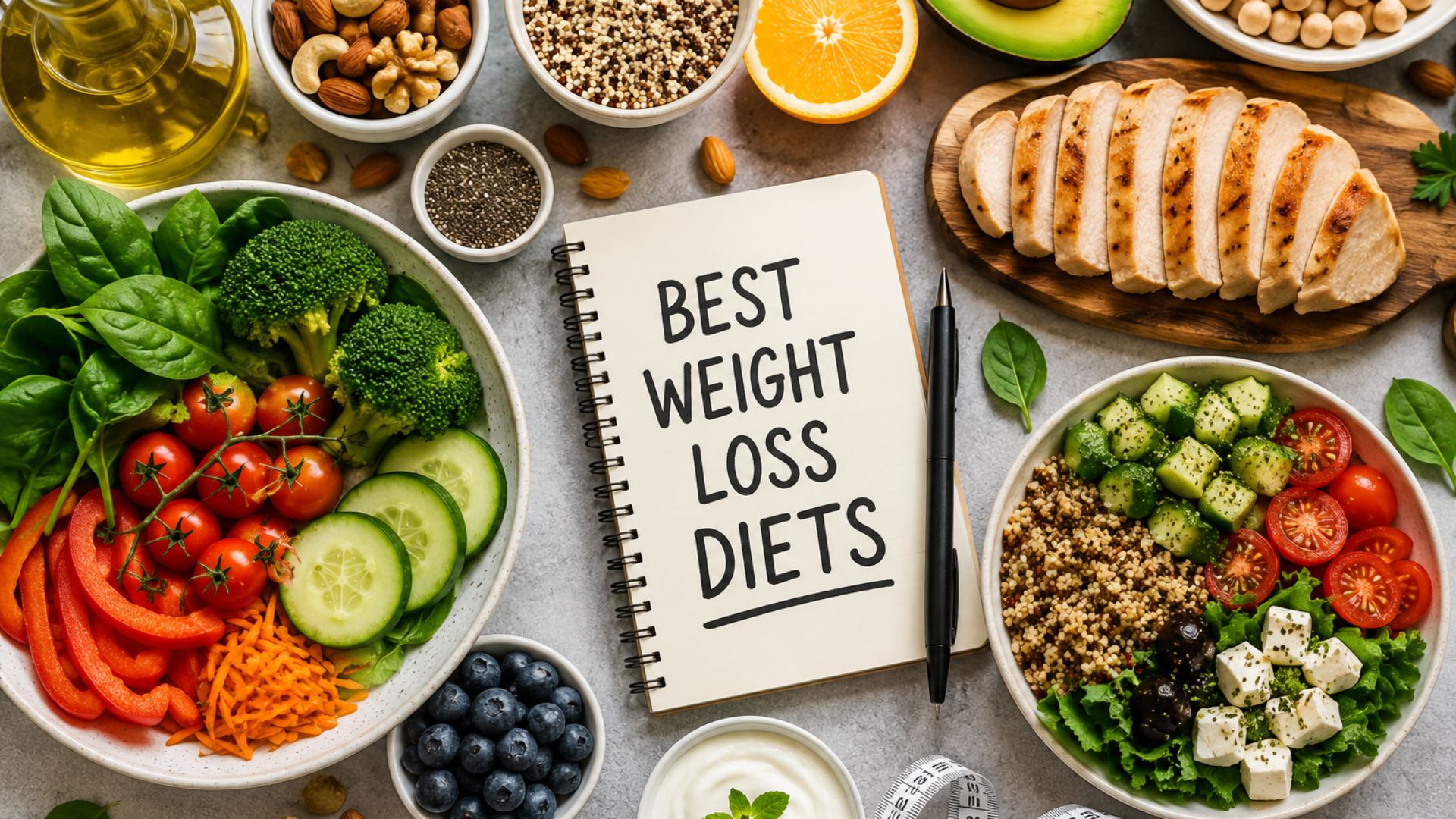
Achieving sustainable weight loss goes beyond temporary fixes and fad diets. The journey toward a healthier weight involves understanding different dietary approaches, finding one that aligns with your lifestyle, and making long-term commitments to positive change. Whether you’re just beginning your weight loss journey or relaunching your efforts, this comprehensive guide explores the most effective and popular weight loss strategies backed by medical professionals and scientific research.
What Makes a Weight Loss Diet Truly Effective?
A successful weight loss diet isn’t just about drastically cutting calories or eliminating entire food groups. The foundation of any effective weight loss plan rests on creating a calorie deficit—consuming fewer calories than your body burns throughout the day. However, that’s only part of the equation.
According to experts, the best weight loss programs share several key characteristics: they maintain essential nutrients and vitamins, preserve muscle mass while reducing fat, remain flexible enough to fit your lifestyle, and most importantly, they’re sustainable for the long term. As noted by leading nutritionists, a healthy weight loss plan should include all food groups, offer plenty of variety, and not be so restrictive that you can’t maintain it in real life.
Popular Weight Loss Diets: A Comprehensive Comparison
| Diet Plan | Primary Focus | Key Features | Best For | Weight Loss Potential |
|---|---|---|---|---|
| Mediterranean Diet | Plant-based, healthy fats | Emphasis on fruits, vegetables, fish, olive oil, nuts; allows moderate wine and dairy | Heart health & long-term sustainability | Greater weight loss vs. low-fat diets; sustainable maintenance |
| DASH Diet | Blood pressure control | Specific servings of vegetables, fruits, whole grains, low-fat dairy; low sodium | Hypertension & heart disease prevention | 2.6% more weight loss than standard counseling |
| Plant-Based/Flexitarian | Minimal animal products | Whole grains, legumes, vegetables; flexitarian allows occasional meat | Ethical eating & metabolic health | Effective for chronic disease reduction |
| MIND Diet | Brain health focus | Combines Mediterranean + DASH; emphasizes leafy greens, berries, nuts, fish | Dementia risk reduction & cognitive decline prevention | Similar to DASH (approximately 11 pounds over 12 weeks) |
| WW (Weight Watchers) | Points-based system | Assigns points to foods; flexible food choices; community support | Busy professionals needing structure & support | 2.6% more than standard counseling; strong maintenance |
| Intermittent Fasting | Time-restricted eating | 16/8 method or 5:2 approach; reduces meal prep | Simplicity & improved metabolism | 0.8–13% weight loss over 2 weeks to 1 year |
| Volumetrics Diet | Low calorie density | Focuses on water-rich, nutrient-dense foods; four food categories | Sustainable, flexible approach without food bans | Proven effective in 3,000+ participants |
| Mayo Clinic Diet | Lifestyle change | Two-phase approach; pyramid guide; exercise integration | Comprehensive health & wellness | 10 pounds in 2 weeks; 2 pounds weekly thereafter |
| Low-Carb/Keto Diets | Carb restriction | 70-80% fat, 10-20% protein, 5-10% carbs (keto); induces ketosis | Rapid weight loss & metabolic disorders | More weight loss than low-fat diets; effective belly fat reduction |
| Noom | Behavioral change | App-based tracking; color-coded food system; personalized coaching | Modern dieters seeking guidance & accountability | 75% maintained 5% weight loss; 49% maintained 10% |
The Mediterranean Diet: A Timeless Approach to Weight Loss
The Mediterranean diet has emerged as one of the most researched and recommended eating patterns for both weight loss and overall health. Rather than being designed specifically for weight loss, this diet became associated with weight management through its emphasis on whole, minimally processed foods.
How It Works
The Mediterranean diet draws inspiration from traditional eating patterns in countries like Italy and Greece. Foods that form the foundation of this diet include vegetables, fruits, whole grains, fish, nuts, lentils, and olive oil. Poultry, eggs, and dairy products are eaten in moderation, while red meat consumption remains limited. The diet actively restricts refined grains, trans fats, processed meats, added sugars, and highly processed foods.
Proven Results
Research demonstrates impressive outcomes for those following this approach. A systematic review comparing different dietary patterns found that the Mediterranean diet produced greater weight loss after one year compared with low-fat diets, and achieved similar results to low-carb diets. One remarkable study of over 500 adults tracked over 12 months revealed that higher adherence to Mediterranean eating was associated with double the likelihood of maintaining weight loss.
Why It Works Long-Term
Beyond weight loss, the Mediterranean diet offers exceptional sustainability. The plan doesn’t impose rigid restrictions, instead encouraging enjoyable meals shared with family and friends. Its focus on antioxidant-rich foods helps combat inflammation and oxidative stress. Recent research also links Mediterranean eating to decreased risk of mental disorders, cognitive decline, and depression—making it beneficial for both body and mind.
The DASH Diet: From Blood Pressure Control to Weight Loss
Originally designed to reduce hypertension, the DASH (Dietary Approaches to Stop Hypertension) diet has proven remarkably effective for weight loss as well. This eating plan combines the best aspects of nutritional science to promote cardiovascular health while facilitating sustainable weight reduction.
Core Principles
The DASH diet emphasizes specific daily servings: approximately five servings each of vegetables and fruit, seven servings of healthy carbohydrates like whole grains, two servings of low-fat dairy, and two or fewer servings of lean meats. Notably, sodium intake is capped at approximately 2,300 milligrams per day—the amount in one teaspoon of salt. Nuts and seeds are recommended two to three times weekly.
Health Benefits Beyond Weight Loss
Research from the American Heart Association evaluated 10 popular dietary patterns, and DASH received high scores for heart-healthiness. Studies confirm it helps lower blood pressure and LDL (“bad”) cholesterol while preventing type 2 diabetes and reducing kidney disease risk. An analysis of 13 studies found that people on the DASH diet lost more weight over 8-24 weeks compared to control groups. One study with obese participants over 12 weeks showed the diet decreased total body weight, body fat percentage, and absolute fat mass while preserving muscle strength.
Important Considerations
Those with lactose intolerance can successfully modify the plan by substituting lactose-free dairy alternatives. Importantly, creating a calorie deficit remains essential—DASH alone won’t yield weight loss without attention to total calories consumed.
Plant-Based and Flexitarian Diets: Sustainable Eating for Health

Plant-based eating has transitioned from a niche lifestyle choice to a mainstream approach backed by substantial scientific evidence. These diets range from strict vegetarian and vegan approaches to more flexible flexitarian patterns, all offering significant health benefits.
The Spectrum
Vegetarian diets restrict all meat but allow dairy products. Vegan diets eliminate all animal products, including dairy, butter, and sometimes honey. The flexitarian approach—increasingly popular—emphasizes plant-based foods while allowing occasional meat consumption for maximum flexibility and sustainability.
Documented Health Benefits
Numerous studies demonstrate that plant-based diets reduce your risk of chronic diseases, including improved metabolic health markers, decreased blood pressure, and reduced type 2 diabetes risk. They’re also effective for weight loss. Flexitarian diets show similar benefits while improving metabolic health and blood pressure.
For environmentally conscious individuals, reducing meat consumption decreases greenhouse gas emissions, deforestation, and soil degradation—aligning dietary choices with planetary health.
Potential Challenges
The primary challenge involves ensuring adequate nutrient intake. Plant-based diets can sometimes feel restrictive, especially when transitioning from meat-heavy eating patterns. It’s crucial to obtain sufficient high-quality protein from sources like tofu, legumes, nuts, and seeds, plus ensure adequate B12, iron, zinc, and calcium intake.
Emerging Popular Programs: WW, MIND, and Noom
WW (Weight Watchers): The Points Revolution
WW has evolved from a traditional diet program into a comprehensive weight management system combining behavioral change, community support, and optional pharmaceutical interventions. Rather than restricting specific foods, WW assigns point values to foods based on nutritional data. Members spend their daily point allowance flexibly, earning bonus points for physical activity.
Research validates WW’s effectiveness. A clinical trial published in JAMA Network Open found that participants in commercial weight management programs like WW lost more than twice as much weight as those using do-it-yourself approaches. Studies show people maintaining WW programs are significantly more successful at maintaining weight loss after several years.
The MIND Diet: Combining Brain Health with Weight Loss
The MIND diet represents an innovative fusion of Mediterranean and DASH principles specifically targeting cognitive health. This diet recommends 10 brain-healthy food groups to eat regularly—including dark leafy vegetables, berries, nuts, fish, olive oil, whole grains, and beans—while limiting red meat, fried foods, cheese, pastries, and sweets.
A 2023 randomized controlled trial followed 604 adults aged 65 and older who were overweight and at dementia risk. Both the MIND diet group and a control group reduced intake by 250 calories daily, but the MIND group showed greater improvements in diet quality scores and cognitive performance. Both lost approximately 11 pounds, but MIND dieters experienced superior cognitive benefits.
Noom: Digital-First Weight Management
Noom represents a modern approach to weight loss, using app-based tracking with a color-coded food system and personalized coaching. The program’s interactive quiz creates individualized calorie plans, and the app logs food, exercise, and health metrics like blood pressure.
Research is compelling: a 2023 study in Obesity Science & Practice found that 75% of Noom participants maintained at least 5% weight loss after one year, with 49% maintaining 10% weight loss. The app’s color-coded system (green for nutritious foods, orange for indulgences) encourages healthier choices without imposing restrictions.
Specialized Diet Plans for Specific Needs
Weight Loss with Diabetes Management
For those managing blood sugar levels, a specialized approach focusing on low-glycemic index carbohydrates and consistent meal timing is essential. This diet includes controlled portions of fiber-rich foods like chia seeds, flax, and legumes. The strategy maintains steady blood sugar while supporting fat loss through consistent carb management and timing.
Postpartum Weight Loss
After pregnancy and C-section recovery, gradual weight loss becomes paramount, with adequate protein and iron for recovery, combined with low-sodium and high-fiber foods. Experts recommend avoiding crash diets for at least 6-8 weeks postpartum, focusing instead on steady, sustainable reduction supporting post-operative healing.
Weight Loss During Breastfeeding
Lactating mothers require extra consideration, needing an additional 300-500 calories daily to maintain milk supply while achieving gradual weight loss. Small, frequent meals of whole foods, combined with close monitoring of hydration and calcium intake, ensure both mother and baby receive proper nutrition.
Diets Requiring Additional Research
The Ketogenic (Keto) Diet
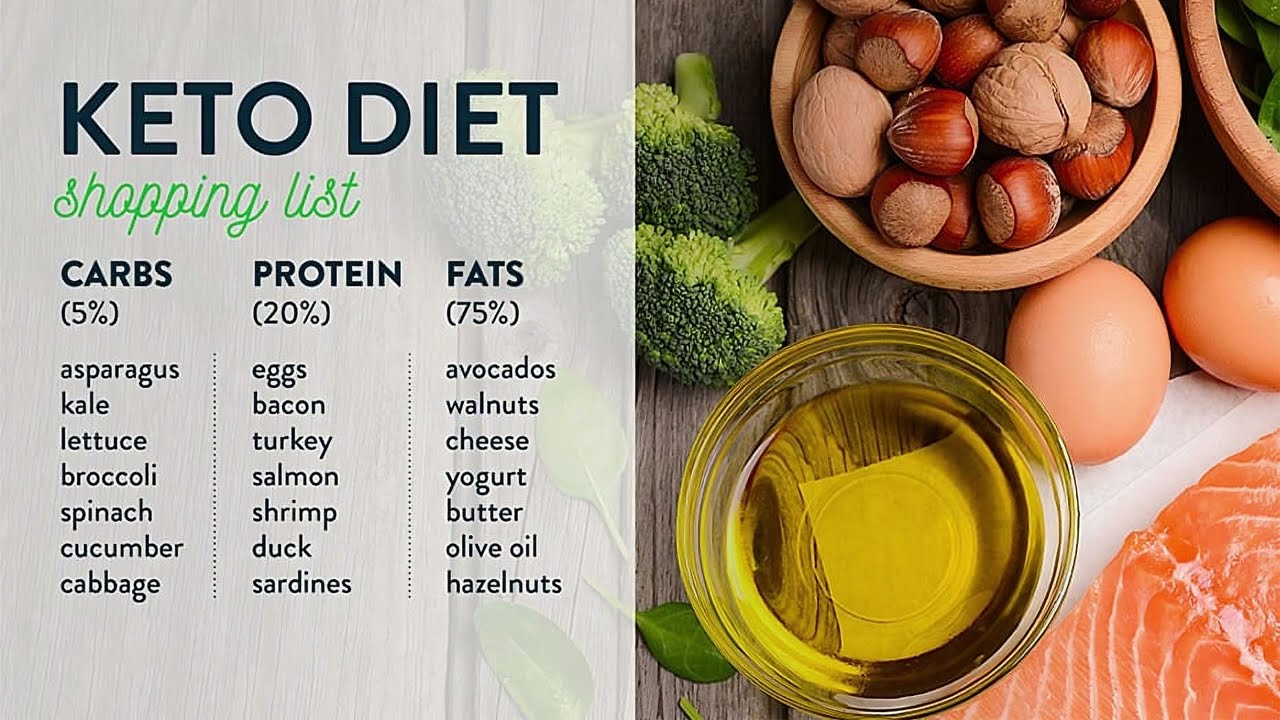
Originally developed in the 1920s to treat epilepsy, keto has gained popularity for rapid weight loss. The diet comprises 70-80% fat, 10-20% protein, and only 5-10% carbohydrates, encouraging the body to enter ketosis—burning fat for fuel instead of carbohydrates.
While one small 2020 study found participants aged 60-75 lost nearly 15 kilograms after eight weeks, concerns persist. Long-term keto may increase kidney stone risk and digestive issues. Research suggests potential cognitive decline, nutrient deficiencies, and elevated LDL cholesterol. Many medical professionals caution against keto, particularly long-term, noting that restrictive carb elimination lacks medical justification for most people.
The Golo Plan
Golo operates on the premise that hormone imbalances underlie weight loss struggles. Rather than calorie-counting, Golo emphasizes portion sizes and hormone-balancing supplements. However, as a relative newcomer, Golo has undergone only limited clinical trials. Experts caution that diet plans requiring purchased supplements without rigorous research should raise concern flags.
Essential Nutrition Principles for Successful Weight Loss
Regardless of which diet plan you choose, certain nutritional principles remain foundational to success: creating a calorie deficit remains non-negotiable—more calories burned than consumed ensures weight loss. The diet should be healthy, including all food groups with plenty of variety. Most critically, the plan must be sustainable long-term, avoiding excessive restriction that undermines real-life adherence.
Foods to Prioritize
Successful weight loss incorporates:
- Lean proteins (chicken, fish, tofu) that preserve muscle mass and increase satiety
- Leafy greens and cruciferous vegetables (broccoli, kale, spinach) providing nutrients with minimal calories
- Whole grains (quinoa, brown rice) offering sustained energy and fiber
- Legumes and beans providing plant-based protein and satiety
- Nuts and seeds in moderation for healthy fats and nutrients
Hydration and Its Role
Often overlooked, proper hydration plays a crucial role in weight loss. Many people mistake thirst for hunger, consuming unnecessary calories when they actually need water. Adequate hydration supports metabolism, aids digestion, and promotes satiety.
The Exercise Component: Why Movement Matters
No weight loss plan reaches its full potential without physical activity. Research consistently demonstrates that combining dietary changes with regular exercise produces superior results compared to dieting alone. Exercise during a calorie-reduced diet proves significantly more effective at promoting weight loss than dietary restriction without movement.
- Effective approaches include:
- Daily walking routines for beginners
- Strength training 3-4 times weekly to preserve muscle
- Cardiovascular exercise for calorie burning
- Adapted exercise for specific conditions (modified routines for those with asthma or joint issues)
Long-Term Success: Transitioning from Diet to Lifestyle
Sustainable weight loss represents a fundamental lifestyle shift, not a temporary fix. This transformation involves several critical elements:
Celebrating Non-Scale Victories
While numbers on the scale matter, equally important victories include improved sleep quality, increased energy levels, enhanced confidence, and clothes fitting differently. These non-scale achievements often provide powerful motivation for maintaining changes.
Addressing Weight Loss Challenges
As weight decreases, some experience loose skin—a natural consequence of significant weight loss. Expert plastic surgeons and dermatologists offer guidance on managing this aesthetic concern. Understanding the distinction between weight loss and fat loss helps maintain perspective; losing pounds isn’t just about the numbers but improving overall body composition and health.
Building Sustainable Systems
Successful long-term maintenance involves:
- Weekly check-ins providing accountability and allowing plan adjustments
- Personalized meal planning evolving with changing goals and preferences
- Behavioral therapy addressing habits and emotional eating patterns
- Group support sessions connecting you with others on similar journeys
- Professional follow-ups ensuring continuous support and guidance
Medical Considerations Before Starting Any Diet
Before beginning any weight loss program, consulting with healthcare providers becomes essential, particularly if you have chronic conditions like diabetes, kidney disease, or heart disease. A healthcare provider can:
- Assess your personal health history
- Identify which diet approach best suits your specific condition
- Monitor progress and adjust the plan as needed
- Recommend registered dietitian support for meal planning
For those experiencing unexplained weight loss or unusual symptoms, professional evaluation is critical to rule out underlying health conditions.
The Bottom Line
There is no universally perfect diet—the best weight loss plan is the one you’ll actually follow. Success depends on matching the diet’s approach to your food preferences, cooking abilities, lifestyle demands, and personal health status. A diet you enjoy and can sustain long-term will always outperform a “perfect” diet you can’t maintain.
The journey toward sustainable weight loss and improved health requires patience, self-compassion, and realistic expectations. Modest weight loss—even 5-10% of your body weight—produces measurable improvements in blood pressure, blood cholesterol, and blood sugar levels. These health improvements often translate to increased energy, better sleep, reduced medication needs, and enhanced overall quality of life.
Your weight loss journey deserves support from qualified professionals. Registered dietitians can navigate new dietary patterns with you, and healthcare providers can monitor your progress, ensuring your approach remains both safe and effective. Remember: the best diet isn’t about deprivation—it’s about nourishing your body, supporting your health, and creating habits you can genuinely enjoy for life.
Frequently Asked Questions
What makes a weight loss diet effective?
An effective weight loss diet should provide balanced nutrition, support a reasonable calorie deficit, preserve muscle mass, and be flexible enough to follow consistently over the long term.
What is the best diet for sustainable weight loss?
There is no single best diet for everyone. Mediterranean, DASH, plant-based, flexitarian, and other structured approaches can work when they match your lifestyle, food preferences, and health needs.
Can the Mediterranean diet help with weight loss?
Yes. The Mediterranean diet emphasizes vegetables, fruits, whole grains, fish, legumes, nuts, and olive oil while limiting highly processed foods. Research has linked it with weight loss and better long-term weight maintenance.
Can a plant-based diet help you lose weight?
Yes. Plant-based and flexitarian diets can support weight management by emphasizing vegetables, fruits, legumes, whole grains, nuts, and seeds. It is important to maintain adequate protein and nutrients such as vitamin B12, iron, zinc, and calcium.
Should I consult a doctor before starting a weight loss diet?
If you have a condition such as diabetes, kidney disease, or heart disease, or you have other specific health concerns, it is important to speak with a healthcare professional before making major dietary changes.
