

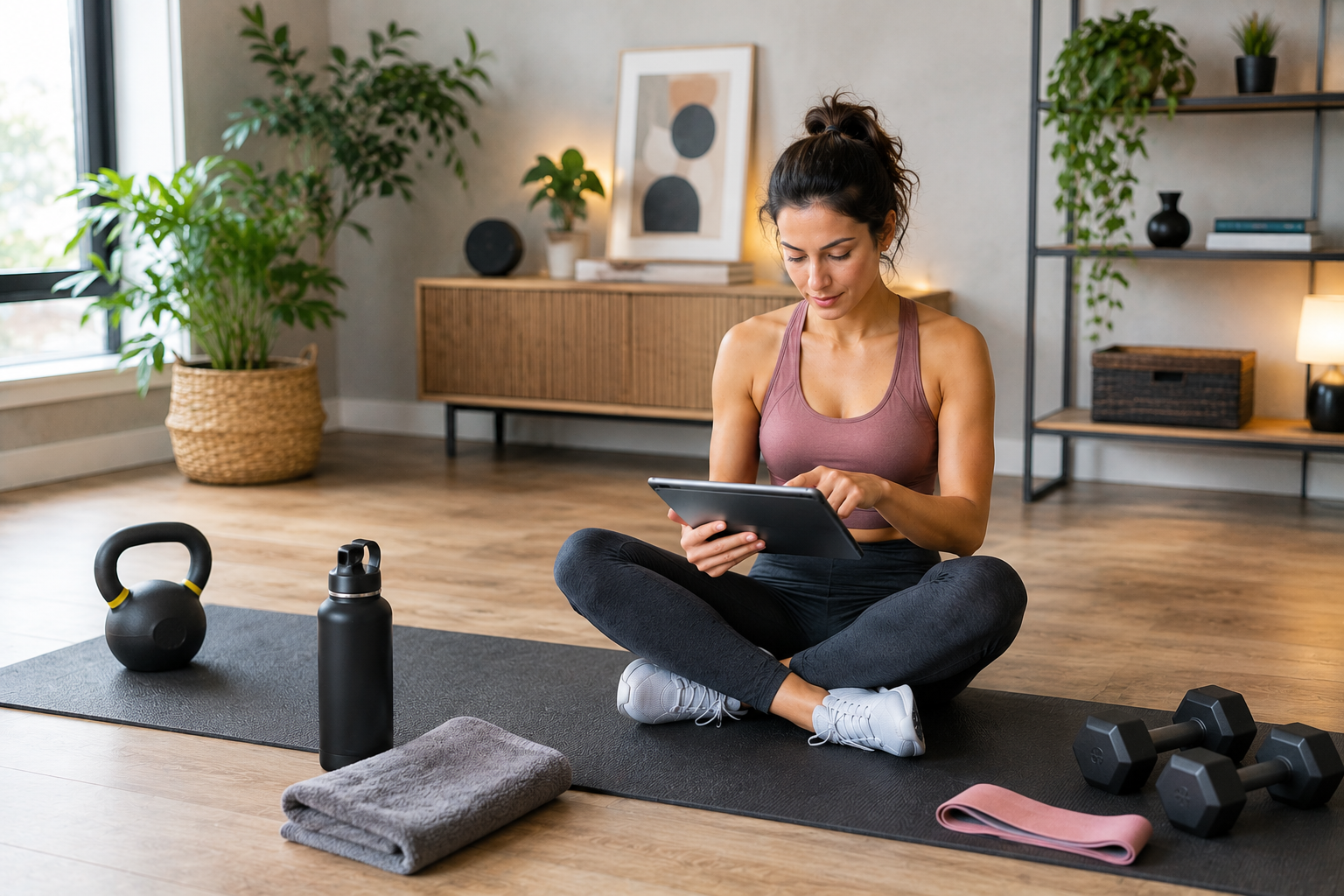
If you’ve ever stood in your living room, phone in hand, scrolling through fitness videos and feeling more confused than motivated, you’re not alone. Starting to exercise can feel harder than the exercise itself. You don’t know which routine to trust, how many days to train, or whether you’ll just end up sore and discouraged by day three.
That’s exactly the gap that good beginner workout plans are meant to fill. A solid beginner plan isn’t about pushing your limits or chasing a six-pack in thirty days. It’s about building a routine you can actually stick with, learning proper form, and giving your body time to adapt without burning out or getting hurt.
This guide walks through everything you need to get started: what beginner workout plans actually look like, how to pick one that fits your life, a full 4-week schedule you can follow at home or in the gym, and the mistakes that trip up most new exercisers. No hype, no miracle promises—just a practical starting point.
What Are Beginner Workout Plans?
A beginner workout plan is a structured, low-intensity introduction to regular exercise. It’s designed for people who are new to structured training, returning after a long break, or unsure how to organize workouts on their own.
These plans typically emphasize:
- Basic movement patterns (squatting, pushing, pulling, hinging)
- Lower training volume than intermediate or advanced programs
- More rest between sessions
- Simple exercises that don’t require advanced coordination or heavy loads
A good beginner exercise routine isn’t a watered-down version of a “real” workout—it’s the appropriate starting point for someone whose muscles, joints, and cardiovascular system haven’t yet adapted to consistent training. Skipping this stage and jumping into an advanced program is one of the most common reasons people quit early or get injured.
Benefits of Following a Beginner Workout Plan
Sticking to a structured plan, rather than winging it, comes with real advantages:
- Building basic strength. Your body responds quickly to new stimulus in the first few months, a phenomenon often called “newbie gains.”
- Improving fitness and endurance. Even light, consistent activity improves how efficiently your heart and lungs work.
- Developing consistency. A plan removes the daily guesswork of “what should I do today,” which makes it easier to show up.
- Supporting healthy weight management. Regular movement, paired with reasonable eating habits, supports a sustainable energy balance.
- Improving mobility and daily movement. Basic strength training makes everyday tasks—carrying groceries, climbing stairs, playing with kids—noticeably easier.
- Building confidence. Completing a planned workout, even a short one, reinforces the belief that you can follow through on something for yourself.
How to Choose the Right Beginner Workout Plan
Not every beginner plan fits every beginner. Before picking one, think through a few factors.
Current fitness level
Someone who hasn’t exercised in years needs a gentler entry point than someone who played sports in school but hasn’t lifted weights. Be honest about where you’re starting from.
Available equipment
Some plans need only your bodyweight. Others assume access to dumbbells, resistance bands, or a full gym. Choose a plan that matches what you actually have.
Home vs. gym workouts
A home workout for beginners is often lower-pressure and more convenient, while a gym environment offers more equipment variety and, for some people, more motivation from the environment itself. Neither is objectively better—it depends on your preferences and schedule.
Training frequency
Most beginners do well with 2–4 sessions per week. More isn’t automatically better, especially early on, when recovery matters as much as the workouts themselves.
Personal goals
A plan built for general fitness looks different from one built for strength or fat loss. Get clear on your main goal before choosing a structure.
Recovery needs
Beginners often underestimate how much rest their bodies need while adapting to new stress. Sleep, hydration, and rest days aren’t optional extras—they’re part of the plan.
Beginner Workout Plans for Different Goals
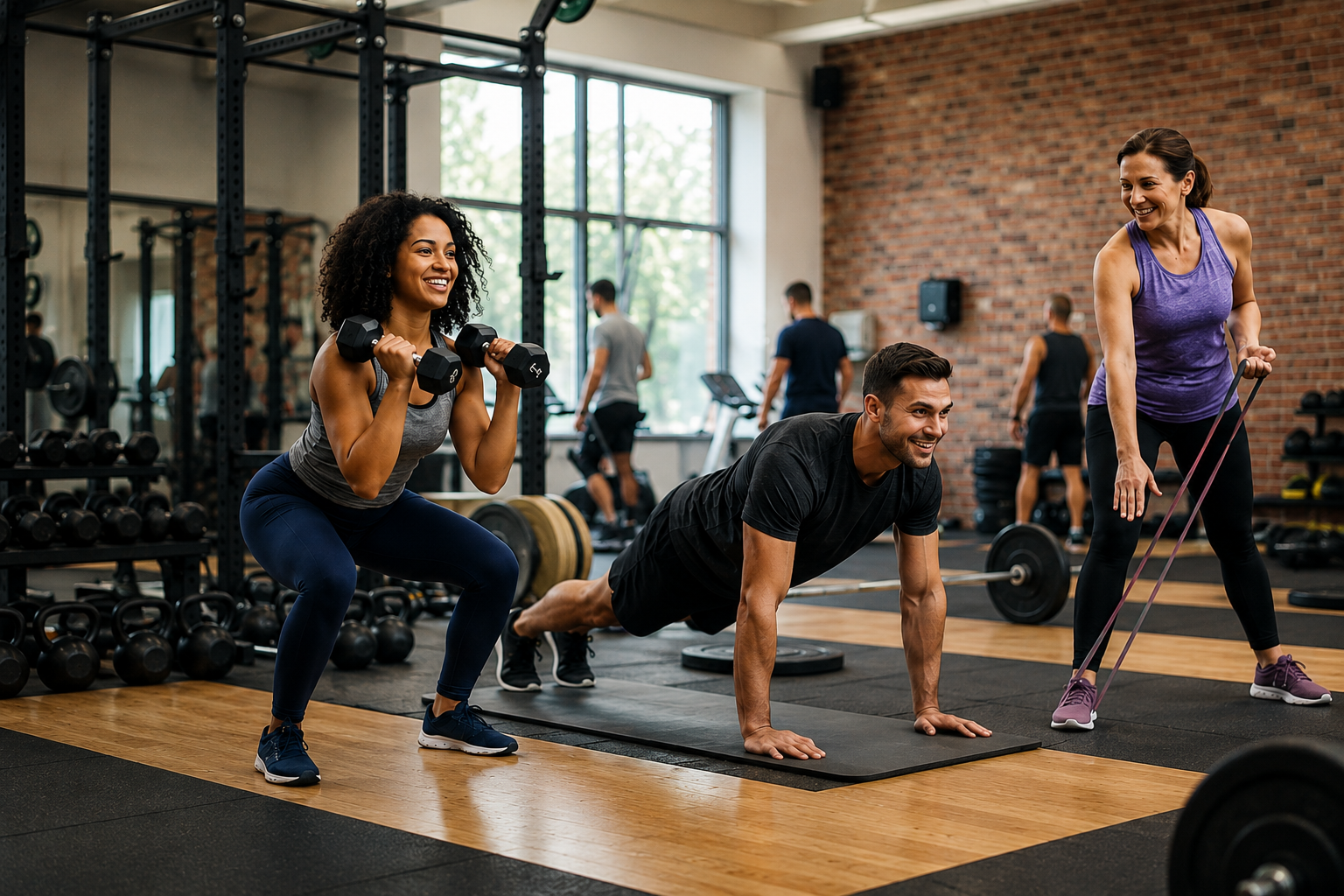
General fitness: Full-body strength training 2–3 times a week, plus light cardio like walking, is enough to build a solid base.
Weight loss: Combine full-body strength sessions with a few days of moderate cardio, alongside attention to nutrition, since exercise alone rarely drives significant weight change.
Building strength: Focus on compound movements—squats, presses, rows—performed 2–3 times weekly with a bit more rest between sets.
Improving endurance: Prioritize walking, cycling, or swimming, gradually increasing duration before intensity.
Home workouts: Bodyweight circuits using squats, push-ups, lunges, and planks can build a real foundation without any equipment.
Gym workouts: Machines and light dumbbells let you isolate specific muscles and progressively add weight in small, manageable increments.
A Simple 4-Week Beginner Workout Plan
This beginner gym workout plan doubles as a home routine—swap dumbbells for resistance bands or bodyweight variations if needed. Each session runs roughly 30–40 minutes, including warm-up.
Weekly structure:
| Day | Focus |
|---|---|
| Monday | Full-Body Workout A |
| Tuesday | Rest or light walk |
| Wednesday | Full-Body Workout B |
| Thursday | Rest or light walk |
| Friday | Full-Body Workout A |
| Saturday | Optional light cardio |
| Sunday | Rest |
Workout A
| Exercise | Sets | Reps |
|---|---|---|
| Bodyweight squats | 3 | 10–12 |
| Push-ups (modified if needed) | 3 | 6–10 |
| Dumbbell rows | 3 | 10–12 per side |
| Glute bridges | 3 | 12–15 |
| Plank | 3 | 20–30 seconds |
Workout B
| Exercise | Sets | Reps |
|---|---|---|
| Walking lunges | 3 | 10 per leg |
| Shoulder presses | 3 | 10–12 |
| Step-ups | 3 | 10 per leg |
| Glute bridges | 3 | 12–15 |
| Plank | 3 | 20–30 seconds |
Progression over the 4 weeks:
- Week 1: Focus entirely on learning correct form. Use light weight or bodyweight only.
- Week 2: Keep the same reps, but add a small amount of weight if the exercises felt manageable.
- Week 3: Add one extra set to your main exercises (squats, push-ups, rows).
- Week 4: Slightly increase reps or weight again, based on how your body is responding.
If a week feels too hard, repeat it before moving forward. This weekly workout routine is meant to flex around you, not the other way around.
Best Exercises for Beginners
Bodyweight squats — Feet shoulder-width apart, lower your hips back and down as if sitting into a chair, keeping your chest upright. Builds leg and glute strength and reinforces a movement pattern used constantly in daily life.
Glute bridges — Lie on your back, knees bent, feet flat, and lift your hips toward the ceiling by squeezing your glutes. Strengthens the posterior chain and supports lower-back health.
Push-ups or modified push-ups — Hands under shoulders, body in a straight line, lower and press back up; drop to your knees if a full push-up isn’t accessible yet. Builds chest, shoulder, and core strength.
Lunges — Step forward, lowering your back knee toward the floor while keeping your front knee over your ankle. Improves balance, single-leg strength, and coordination.
Planks — Forearms and toes on the floor, body in a straight line from head to heels. Builds core stability, which supports nearly every other exercise.
Dumbbell rows — Hinge forward slightly, pull the weight toward your hip, squeezing your shoulder blade. Strengthens the upper back and counters the forward-hunched posture common from desk work.
Shoulder presses — Press weights overhead from shoulder height, avoiding excessive arching in your lower back. Builds shoulder strength and stability.
Walking — Simple, low-impact, and effective for building cardiovascular endurance without added joint stress.
Step-ups — Step onto a sturdy platform or bench, driving through your front foot. Builds single-leg strength and mimics stair-climbing.
Beginner Workout Plan at Home
You don’t need equipment to get a real workout in. Try this simple circuit 2–3 times a week:
- Bodyweight squats — 3 sets of 12
- Push-ups (modified as needed) — 3 sets of 8
- Glute bridges — 3 sets of 15
- Walking lunges — 3 sets of 10 per leg
- Plank — 3 sets of 20–30 seconds
Rest 30–60 seconds between sets. As it gets easier, add a resistance band or a pair of light dumbbells to keep progressing.
Beginner Gym Workout Plan
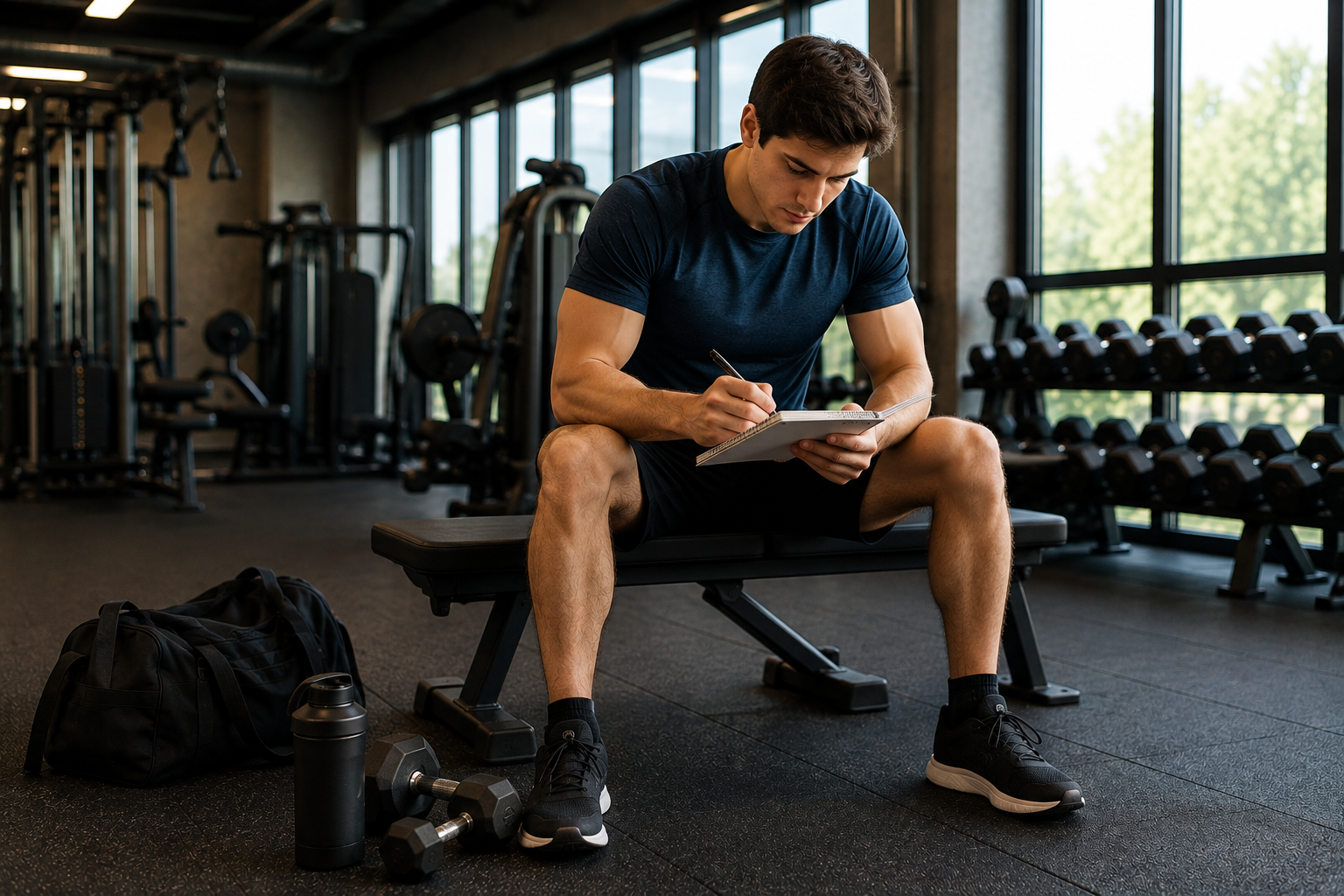
Walking into a gym for the first time can feel intimidating, but a beginner routine there doesn’t need to be complicated:
- Start with 5–10 minutes on a cardio machine (treadmill or bike) to warm up.
- Use machines for your first few weeks if free weights feel unfamiliar—they guide your movement path and reduce injury risk while you learn.
- Stick to 2–3 sets of 10–12 reps per exercise, covering legs, chest, back, and shoulders.
- Rest 60–90 seconds between sets.
- Don’t hesitate to ask gym staff to show you how a machine works—that’s a normal, expected question, not a sign of inexperience you need to hide.
How Often Should Beginners Work Out?
Most beginners see solid progress training 2–4 days a week, with at least one rest day between strength sessions targeting the same muscle groups. This gives your muscles time to repair and actually get stronger, since that adaptation happens during recovery, not during the workout itself.
Light activity—like walking—can generally be done daily without issue. As your fitness improves over 8–12 weeks, you can gradually increase frequency or intensity, but there’s no need to rush that timeline.
Common Beginner Workout Mistakes
- Doing too much too soon. Enthusiasm is great, but jumping straight into daily intense workouts often leads to burnout or injury within the first few weeks.
- Ignoring proper form. Rushing through reps with poor technique increases injury risk and reduces the effectiveness of the exercise.
- Skipping warm-ups. A few minutes of light movement prepares your joints and muscles for the work ahead.
- Training every day without recovery. Muscles need rest to rebuild; constant training without breaks can stall progress.
- Comparing progress with others. Everyone adapts at a different pace based on genetics, history, and lifestyle—comparison mostly just adds discouragement.
- Neglecting sleep and nutrition. Training is only one part of the equation; recovery depends heavily on both.
- Changing routines too frequently. Jumping between programs every week makes it hard to track progress or build real skill in any one movement.
How to Stay Consistent With Your Workout Plan
- Schedule workouts like appointments. Put them on your calendar rather than leaving them to “whenever there’s time.”
- Start smaller than you think you need to. A realistic 20-minute routine you’ll actually do beats an ambitious 90-minute plan you’ll abandon.
- Track your workouts. A simple notebook or app entry helps you see progress, which keeps motivation grounded in evidence rather than mood.
- Expect off days. Missing a session occasionally doesn’t undo your progress—what matters is returning to the routine, not perfection.
- Pair workouts with something you enjoy. A podcast, playlist, or workout buddy can make sessions feel less like a chore.
Final Thoughts
Getting started doesn’t require a perfect plan or unlimited motivation—it requires a realistic one. The beginner workout plans outlined here are built around the same principle: consistent, manageable effort beats occasional intensity every time. Whether you’re training at home with just your bodyweight or working through a beginner gym routine, the goal in these early weeks is simple—learn the movements, build the habit, and let your fitness grow from there.
If you have any existing injuries, chronic conditions, or other significant health concerns, check with a doctor or qualified healthcare professional before starting a new exercise routine. This guide offers general fitness information, not individualized medical advice.
Frequently Asked Questions
Q What is the best workout plan for a complete beginner?
A full-body routine performed 2–3 times a week, using basic bodyweight or light-resistance exercises, is generally the most sustainable starting point.
Q How many days a week should a beginner work out?
Most beginners do well with 2–4 structured sessions a week, with rest days in between to allow recovery.
Q Can beginners work out at home?
Yes. Bodyweight exercises like squats, push-ups, and planks can build a strong foundation without any equipment.
Q How long should a beginner workout last?
Around 30–40 minutes, including warm-up, is typically enough to see meaningful progress without overwhelming your schedule.
Q Should beginners do cardio or strength training first?
Either order works, but many beginners prefer strength training first while energy is highest, followed by lighter cardio.
Q How quickly can beginners see results?
Strength improvements often show up within a few weeks, though visible physical changes usually take longer and vary from person to person.
Q What should beginners do on rest days?
Light activity like walking or stretching is fine; the key is avoiding intense training on the same muscle groups until they’ve recovered.
