

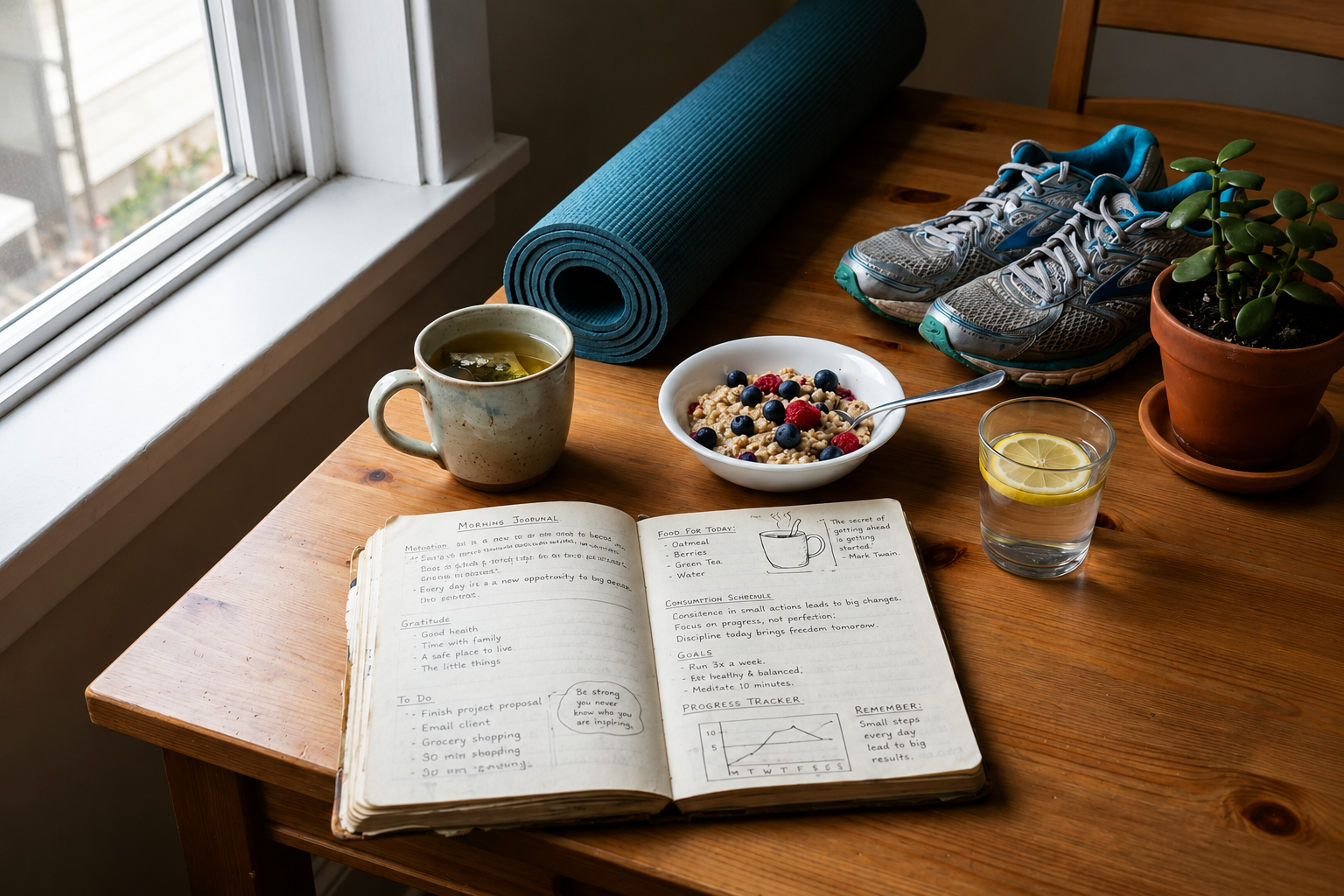
Starting a healthier lifestyle can feel overwhelming when you don’t know where to begin. That’s exactly why a healthy routine for beginners matters so much — it breaks big goals into small, manageable actions you can actually stick with. You don’t need a perfect schedule, expensive equipment, or hours of free time. What you need is a simple structure that supports your energy, focus, sleep, and mood, one habit at a time.
What Is a Healthy Routine for Beginners?
A healthy routine for beginners is a basic daily structure built around a few core habits: sleep, movement, nutrition, hydration, and mental wellness. It’s not about doing everything at once. It’s about choosing a handful of healthy habits and repeating them consistently.
Think of it as a framework, not a strict rulebook. A good daily healthy routine flexes around your job, family responsibilities, and energy levels. The goal is progress, not perfection. For someone new to structured living, even three or four small habits practiced daily can create a noticeable shift in how you feel over a few weeks.
Why a Healthy Routine Matters
Routines reduce decision fatigue. When healthy choices become automatic, you spend less mental energy deciding what to eat, when to move, or when to sleep.
Over time, a consistent routine can support steadier energy levels, better focus, improved mood, and more restful sleep. Research in behavioral science consistently links habit consistency with long-term lifestyle change, more than any single dramatic effort.
It’s worth noting this article offers general wellness guidance, not medical advice. If you have specific health conditions or concerns, a doctor or registered healthcare provider can help tailor recommendations to your situation.
The Beginner Advantage
Beginners actually have an advantage: no bad habits to unlearn yet. Starting fresh means you can build your healthy lifestyle around what genuinely works for you, rather than fixing years of inconsistency.
How to Build a Healthy Daily Routine Step by Step
Building a routine works best when you start small and layer habits gradually.
- Pick one anchor habit. Choose something simple, like drinking water first thing in the morning.
- Attach a new habit to an existing one. For example, stretch for two minutes right after brushing your teeth.
- Track it loosely. A simple checklist or notes app entry works fine.
- Add the next habit after two weeks. Don’t stack five changes at once.
- Review weekly. Notice what’s sticking and what feels forced.
This step-by-step approach prevents burnout, which is the number one reason beginners abandon new routines within the first month.
Creating a Healthy Morning Routine

Your morning routine sets the tone for the rest of the day. It doesn’t need to start at 5 a.m. or involve a 20-step ritual.
A simple, effective morning sequence might include:
- Waking up at a consistent time, even on weekends
- Drinking a glass of water before coffee or tea
- Getting a few minutes of natural light
- Avoiding your phone for the first 10–15 minutes
- Doing a short stretch or light movement
Why Consistency Beats Intensity
A modest morning routine practiced daily beats an elaborate one you only manage twice a week. Consistency trains your body’s internal clock, which supports better energy throughout the day.
Healthy Eating and Hydration for Beginners
You don’t need a strict diet to build healthy eating habits. Small, consistent adjustments matter more than short-term restriction.
Start with these basics:
- Add one vegetable or fruit to each meal
- Choose water as your default drink
- Eat protein with breakfast to support steady energy
- Avoid skipping meals, which often leads to overeating later
- Plan simple meals ahead when your week gets busy
The Role of Hydration
Hydration affects concentration, mood, and physical performance. A practical starting goal is sipping water consistently throughout the day rather than trying to gulp large amounts at once.
A reusable water bottle kept within sight is a simple trick that noticeably increases daily intake for most beginners.
Exercise and Movement for Beginners
Exercise for beginners should focus on consistency over intensity. You’re building a habit first, fitness second.
Good starting options include:
- Brisk 15–20 minute walks
- Bodyweight exercises like squats or push-ups
- Beginner yoga or mobility stretches
- Taking stairs instead of elevators when possible
Building Strength Gradually
Aim for movement most days of the week rather than occasional intense sessions. Two to three short sessions weekly, gradually increasing, is a realistic starting point for most beginners according to general public health movement guidelines. Always listen to your body, and adjust intensity based on your fitness level and any existing health considerations.
Building a Better Sleep Routine
A solid sleep routine is one of the most underrated parts of a healthy lifestyle. Poor sleep undermines nutrition, exercise, and mental clarity, no matter how disciplined you are elsewhere.
Helpful sleep habits include:
- Going to bed and waking up at consistent times
- Limiting screens 30–60 minutes before bed
- Keeping your bedroom cool, dark, and quiet
- Avoiding caffeine late in the day
- Creating a short wind-down ritual, like reading or light stretching
Why Sleep Consistency Matters More Than Duration Alone
While most adults benefit from seven to nine hours of sleep, consistency in timing often matters just as much as total hours. A predictable sleep-wake cycle supports your body’s natural rhythm.
Mental Health, Stress Management, and Self-Care

Physical habits only tell half the story. Mental wellness deserves equal attention in any beginner routine.
Simple stress management techniques include:
- Deep breathing for a few minutes during stressful moments
- Journaling to process thoughts and emotions
- Setting boundaries around work hours
- Spending time outdoors regularly
- Limiting doom-scrolling and constant notifications
Building Self-Care Habits That Actually Stick
Self-care habits don’t need to be elaborate spa days. They can be as simple as a five-minute pause between tasks or a short walk without your phone.
The goal is building small pockets of recovery into your day, not waiting for burnout to force a break.
Common Mistakes Beginners Should Avoid
Even well-intentioned beginners tend to fall into a few predictable traps.
- Trying to change everything at once. This usually leads to burnout within days.
- Setting unrealistic goals. Vague targets like “get healthy” are hard to act on.
- Ignoring sleep while focusing only on diet or exercise. All three habits work together.
- Ignoring rest days. Recovery is part of a healthy routine, not a break from it.
- Comparing your progress to others. Everyone’s starting point and circumstances differ.
Avoiding these pitfalls makes it far more likely your new habits will last beyond the first few weeks.
How to Stay Consistent With Healthy Habits
Consistency is harder than motivation. Motivation fades, but structure and small wins keep habits alive.
Practical consistency strategies:
- Attach new habits to existing routines (habit stacking)
- Track progress simply, without obsessing over perfection
- Allow flexibility on hard days instead of quitting entirely
- Celebrate small wins, like a full week of consistent sleep times
- Remember that missing one day doesn’t erase your progress
Sustainable healthy habits are built through repetition, not intensity. Aim for “good enough and consistent” rather than “perfect but occasional.”
A Simple Example of a Beginner-Friendly Daily Routine
Here’s a realistic example you can adapt to your own schedule.
Morning
- Wake up at a consistent time
- Drink a glass of water
- 10-minute walk or stretch
- Protein-based breakfast
Afternoon
- Balanced lunch with vegetables
- Short walk or movement break
- Brief mental reset (deep breathing or a quiet pause)
Evening
- Light dinner a few hours before bed
- Screen-free wind-down time
- Consistent bedtime
This is only a starting template. Adjust timing, meals, and activities based on your job, energy levels, and personal preferences. A healthy routine for beginners should feel realistic, not restrictive.
Final Thoughts
Building a healthy routine for beginners isn’t about overhauling your entire life overnight. It’s about choosing a few meaningful habits, like better sleep, regular movement, balanced meals, and simple stress relief, and practicing them consistently.
Start small. Add one habit at a time. Give yourself room to adjust as you learn what actually fits your lifestyle. Over time, these small, sustainable changes add up to a healthier, more energized version of your daily life.
Frequently Asked Questions
What is the best healthy routine for beginners?
The best healthy routine for beginners focuses on a few core habits: consistent sleep, regular movement, balanced meals, and hydration. Start with one or two changes rather than an entire lifestyle overhaul. Gradually add habits every couple of weeks so they become sustainable rather than overwhelming.
How long does it take to build a healthy routine?
Habit-formation research suggests it can take anywhere from a few weeks to a couple of months for a new habit to feel automatic, depending on the behavior and person. Consistency matters more than speed. Focus on repeating small actions daily rather than expecting instant results.
What should a beginner’s morning routine include?
A simple beginner morning routine might include waking at a consistent time, drinking water, getting natural light, and light movement like stretching or walking. Avoid overcomplicating it. A short, repeatable sequence is easier to maintain than an elaborate multi-step ritual.
How much exercise do beginners really need?
Beginners can start with short sessions, such as 15–20 minute walks or basic bodyweight exercises, two to three times a week. Gradually increasing duration and intensity is safer and more sustainable than starting with intense daily workouts. Always adjust based on your fitness level and comfort.
How can beginners stay consistent with healthy habits?
Consistency improves when habits are attached to existing routines, tracked loosely, and adjusted for real-life schedules. Allow flexibility on difficult days instead of abandoning the habit entirely. Small, repeated actions build sustainable healthy habits more effectively than occasional bursts of intense effort.
